
How to produce aluminium from bauxite step by step?
The primary production of aluminum requires 13,000 to 15,000 kWh of electricity per metric ton, beginning with the extraction of bauxite containing 30%–55% alumina. The Bayer Process utilizes caustic soda at 140°C–240°C to isolate $Al_2O_3$, followed by the Hall-Héroult electrolytic reduction in a 950°C cryolite bath. This electrochemical reaction breaks the aluminum-oxygen bond, yielding metal at 99.7% purity while consuming approximately 450kg of carbon anode per ton of liquid aluminum produced.
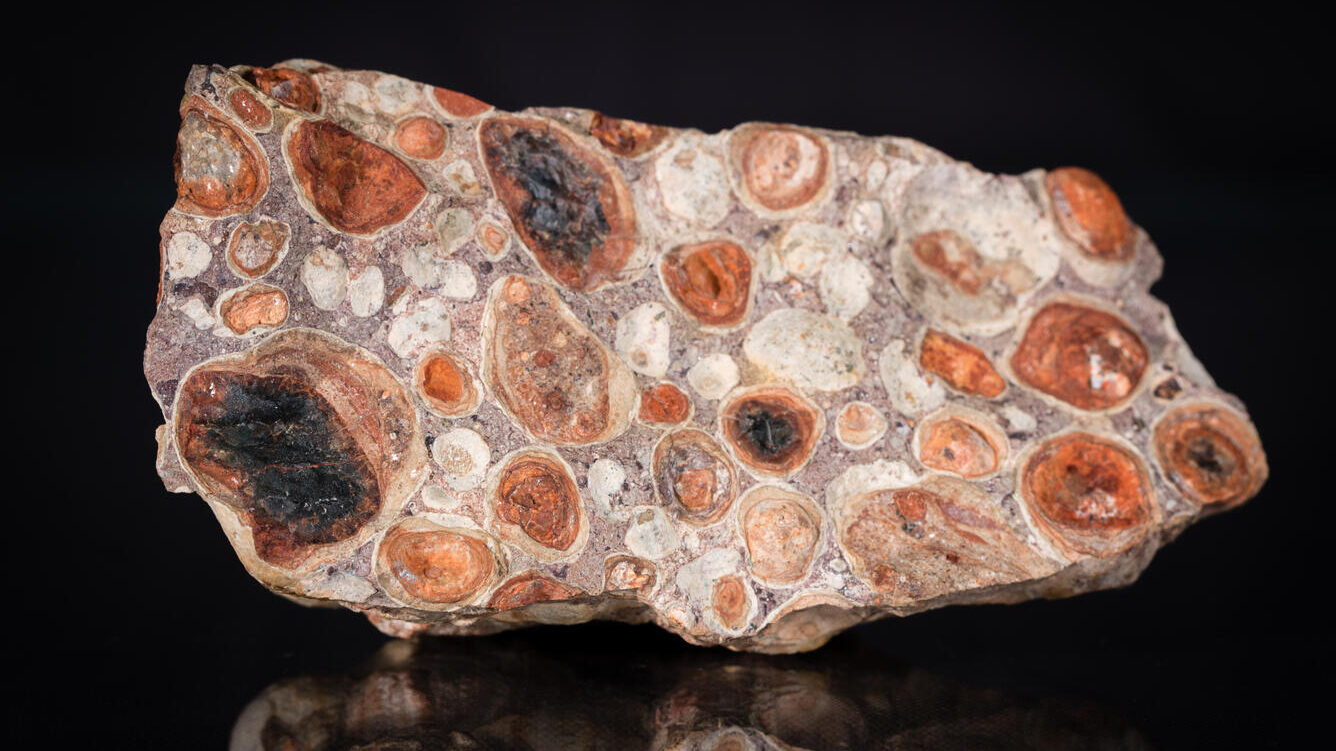
Bauxite mining targets specific geological formations, primarily located in regions like Guinea and Australia, which accounted for over 55% of global supply in 2024. This ore is not a single mineral but a mixture of hydrous aluminum oxides, silica, and iron, necessitating a mechanical crushing phase to reduce rocks to particles under 25mm in diameter.
The physical reduction of the ore serves as the prerequisite for chemical digestion, where the crushed bauxite enters high-pressure steel tanks known as digesters. Within these vessels, a concentrated solution of sodium hydroxide reacts with the aluminum minerals at pressures reaching 35 atmospheres, effectively dissolving the aluminum while leaving solid impurities behind.
"The efficiency of the digestion phase is heavily dependent on the mineralogical form of the alumina; gibbsite dissolves at 140°C, whereas boehmite requires temperatures closer to 240°C for optimal recovery rates."
Separating these undissolved solids involves a clarification process where flocculants are added to settling tanks to remove the heavy "red mud" byproduct. This residue, which can represent up to 50% of the original bauxite mass, is filtered out, leaving a clear sodium aluminate "pregnant" liquor that is moved toward the precipitation stage.
The clarified liquor is pumped into massive precipitating tanks, some standing over 30 meters tall, where the temperature is gradually lowered to induce crystal growth. By introducing "seed" crystals of aluminum hydroxide, the dissolved alumina precipitates out of the solution, forming heavy white grains that sink to the bottom of the tank.
| Stage Component | Typical Value/Metric | Industry Standard |
| Bauxite Alumina Content | 40% - 50% | High Grade |
| Caustic Soda Temp | 145°C - 245°C | Variable by Ore |
| Precipitation Time | 24 - 48 Hours | Batch Processing |
| Calcination Temp | 1000°C - 1100°C | Anhydrous State |
These crystals undergo calcination in rotary kilns or fluid-bed calciners, where exposure to 1100°C heat removes chemically combined water molecules. The result is a fine, sandy white powder called alumina, which must remain strictly dry to prevent contamination before it enters the how to produce aluminium phase of the smelting process.
The transition from chemical refining to electrolytic reduction occurs in specialized "pots" lined with carbon, which act as the cathode in a high-voltage circuit. Alumina is dissolved in a molten bath of cryolite ($Na_3AlF_6$), which lowers the melting point of the mixture from 2050°C to a more manageable 950°C to save energy.
"During electrolysis, a low-voltage, high-amperage current (ranging from 150,000 to 500,000 amperes) passes through the bath, causing the aluminum ions to migrate to the bottom of the pot."
This electrolytic reaction is continuous, with molten aluminum settling at the base of the cell due to its higher density compared to the cryolite. Liquid metal is siphoned off every 24 to 48 hours, while oxygen reacts with the carbon anodes to form $CO_2$, necessitating the replacement of the carbon blocks every 20 to 25 days.
The energy consumption at this stage is significant, typically requiring 14 kWh for every kilogram of metal produced, making power sourcing the primary factor in smelter placement. Historically, smelters located near hydroelectric dams or geothermal sources have shown a 20% lower production cost compared to those relying on fossil-fuel grids.
| Material Input | Amount per Ton of Al | Purpose |
| Alumina | 1,900 - 2,000 kg | Main Feedstock |
| Carbon Anode | 400 - 450 kg | Electrical Conductor |
| Aluminum Fluoride | 20 - 30 kg | Bath Chemistry |
| Electricity | 13,500 kWh | Electrolytic Power |
Once siphoned, the molten metal is transferred to holding furnaces where it is refined or mixed with alloying elements like magnesium, silicon, or manganese. In 2023, high-strength 7000-series alloys, often used in aerospace, required precise thermal management to ensure the structural integrity of the final cast ingots and billets.
The final step involves casting the purified metal into standardized shapes, such as 25-ton rolling slabs or smaller T-bars, using vertical direct-chill casting methods. These solids are then shipped to fabrication plants where they are rolled, extruded, or forged into the final components found in modern infrastructure and transport.
Trade with the toolkit the desks use.
Join 41,000+ active traders running institutional-grade scanners, calculators, and risk dashboards — accessible from any browser, refreshed in under 200ms.